“A semicolon is used when an author could’ve chosen to end their sentence, but chose not to. The author is you, and the sentence is your life.”
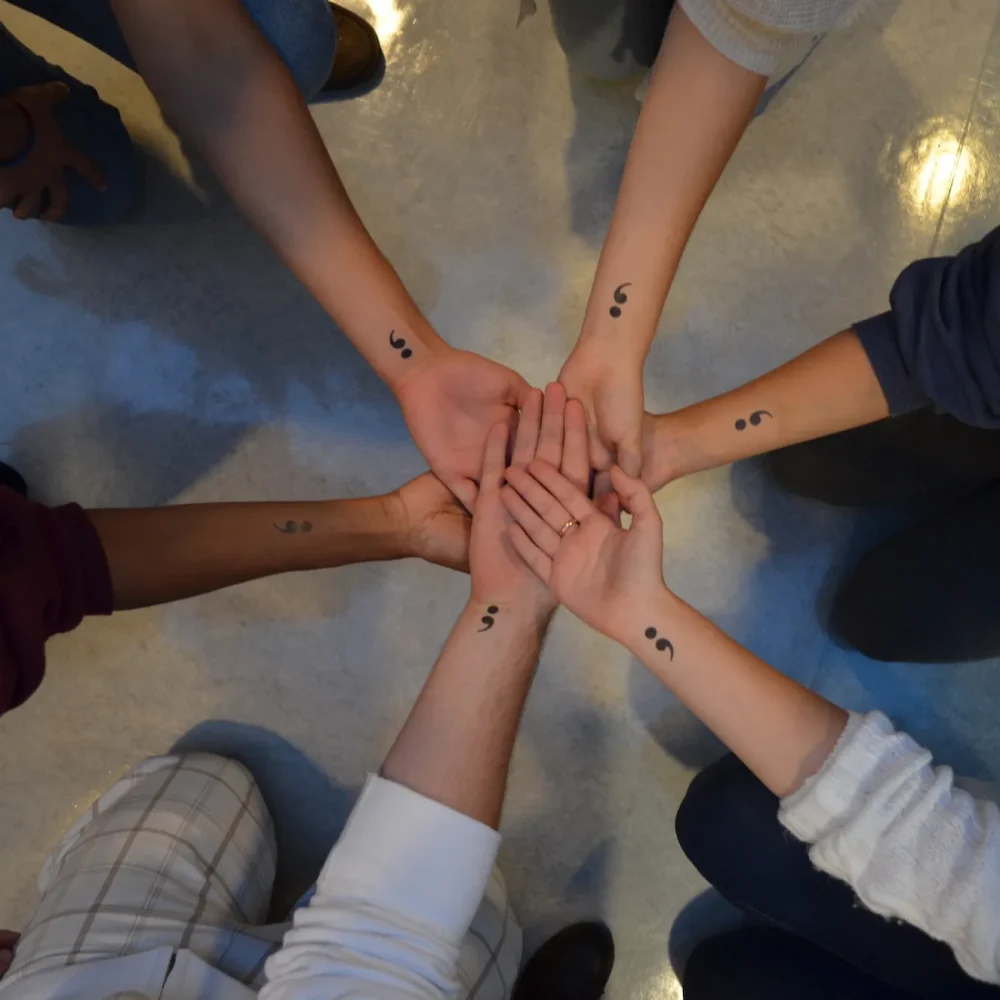
In 2013, Project Semicolon gained widespread attention when founder Amy Bleuel shared a photo of her semicolon tattoo on social media. The tattoo, which she had gotten in memory of her father, who tragically died by suicide when she was 18, became a powerful symbol of strength and survival. The semicolon represented a pause, not an end, echoing the message that people struggling with mental health challenges can keep going. The post resonated deeply with others, sparking a viral movement that quickly grew into an international campaign for mental health awareness, suicide prevention, and support for those facing emotional struggles.
In 2015, Project Semicolon took significant steps toward formalizing its mission. The organization developed its brand, solidifying its identity as a powerful symbol of mental health awareness and hope. That same year, Project Semicolon became an official nonprofit, expanding its ability to support mental health advocacy and suicide prevention efforts. Additionally, the organization opened its first office in Wisconsin, establishing a base of operations that would allow it to reach more individuals and communities. This pivotal year marked the beginning of Project Semicolon’s transformation into a globally recognized nonprofit dedicated to providing resources, fostering support, and reducing the stigma surrounding mental health.
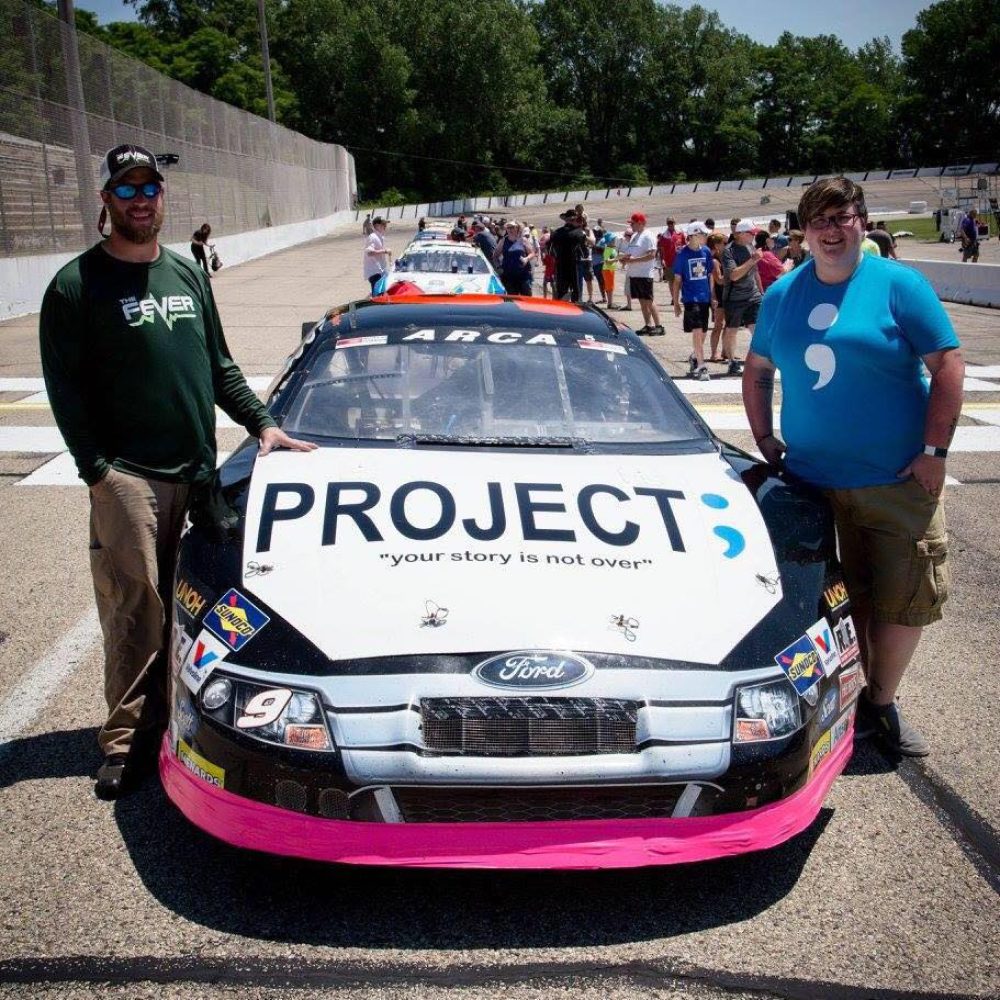
In 2016, Project Semicolon reached new heights of visibility by partnering with NASCAR. The organization was featured on a race car, which carried the Project Semicolon logo and its message of mental health awareness, reaching millions of viewers worldwide. This partnership allowed Project Semicolon to expand its impact, spreading its message of hope and support to a broader audience, including those who may not have previously been exposed to the cause. The collaboration with NASCAR helped raise awareness, reduce stigma, and connect individuals in need with the resources and encouragement they deserve.
In 2017, Project Semicolon reached an even wider audience through its inclusion in the hit Netflix series 13 Reasons Why, produced by Selena Gomez. The show, which focused on important mental health issues, prominently featured the semicolon symbol as part of its narrative, helping to bring the conversation about suicide prevention and mental health to the forefront. The collaboration with the series introduced Project Semicolon to a younger audience, many of whom connected with its message of hope and resilience. As part of the project’s involvement, Selena Gomez and the cast members got semicolon tattoos during filming, further solidifying their commitment to raising awareness and supporting the mental health community. This partnership played a key role in spreading the semicolon symbol to a global audience.
In 2017, Project Semicolon faced an overwhelming and heartbreaking loss with the passing of its founder, Amy Bleuel, to suicide. Amy had been the heart and inspiration behind the movement, representing hope, strength, and survival for countless individuals. Her death left the organization and the mental health community devastated, and it forced Project Semicolon to reflect on how best to continue supporting those in need during such a profound loss. Amy’s vision had brought light to so many, and her passing was felt deeply by those who had found strength and solidarity through the semicolon symbol. Despite this tragedy, her legacy continues with the original Project Semicolon team
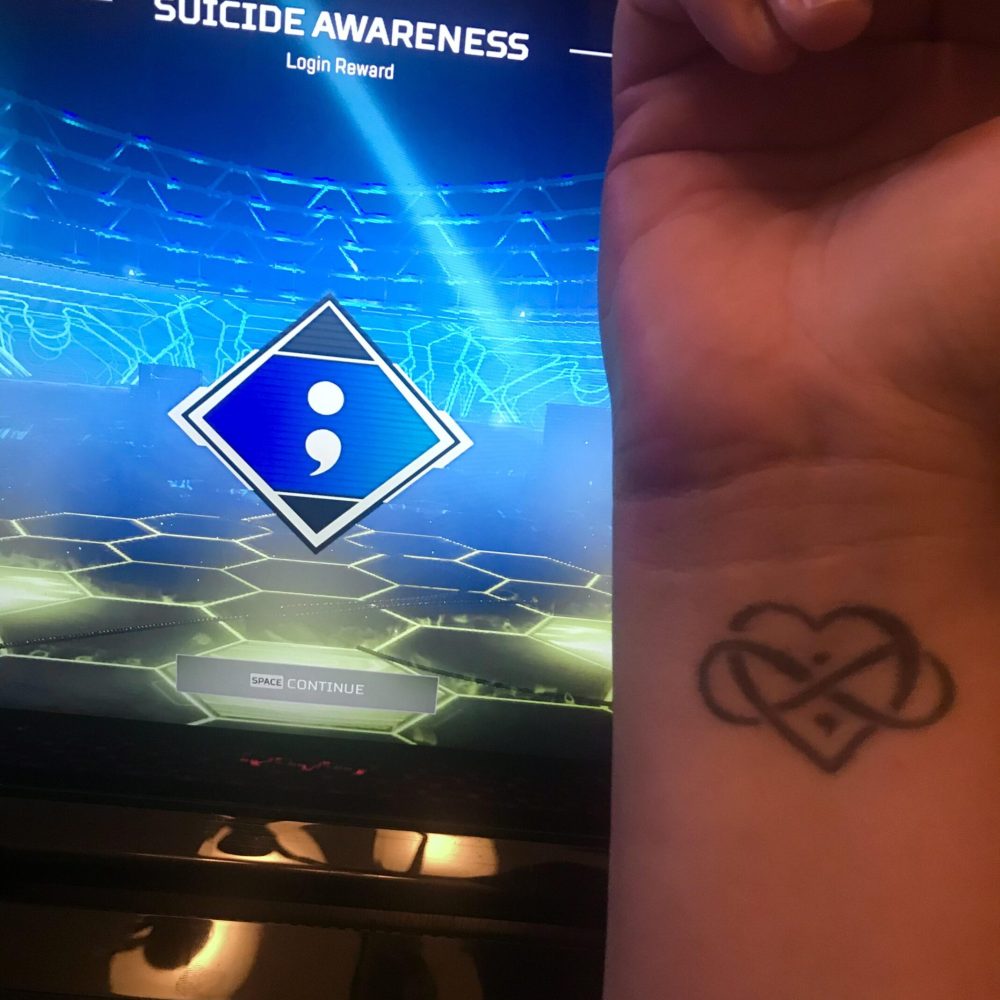
In 2022, Project Semicolon partnered with Respawn Entertainment to introduce a semicolon badge in the popular game Apex Legends. Millions of gamers downloaded the badge, which included information about mental health awareness and suicide prevention. This innovative initiative underscored the urgency of addressing rising youth suicide rates by meeting young people where they are—on platforms they engage with daily. Through this partnership, Project Semicolon extended its message of hope and resilience into the gaming world, empowering players to start conversations about mental health.